Dental emergencies rarely give advance notice. A sudden toothache, facial swelling, or broken tooth can quickly turn an ordinary day into a stressful situation. In those moments, many people wonder whether they truly need emergency dental care or if the issue can wait.
The reality is that some dental problems demand immediate attention. Ignoring the warning signs can lead to increased pain, infection, or even permanent tooth damage. Knowing when to act can help protect both your smile and your overall health.
This blog breaks down the most common signs that indicate it's time to see an emergency dentist right away - and why waiting it out is often the worst option.
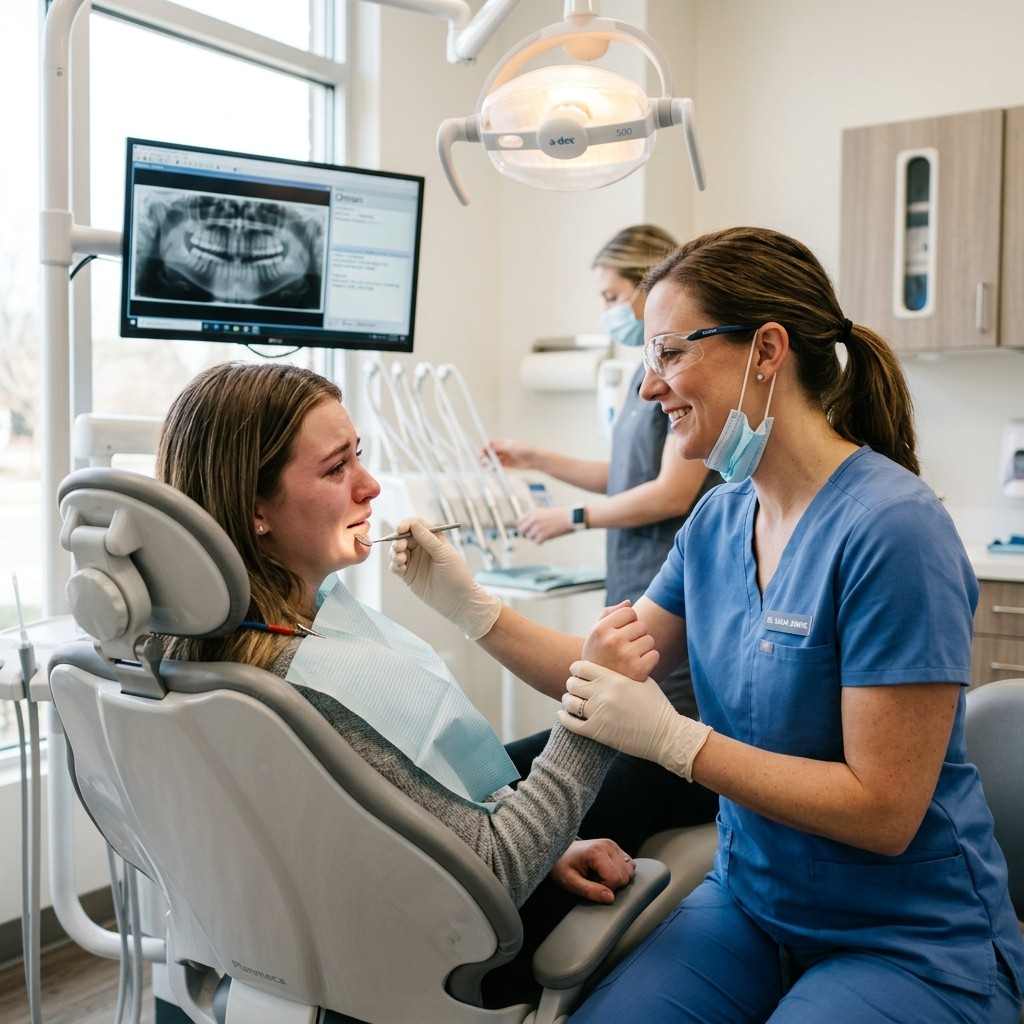
When Dental Discomfort Crosses the Line Into an Emergency
Not every dental issue is urgent, but emergencies tend to share one thing in common: they get worse without treatment. Pain that intensifies, swelling that spreads, or damage caused by injury should never be brushed aside.
Many patients searching for the best dentist near me during these moments aren't just looking for convenience - they're looking for relief, reassurance, and fast answers. Emergency dental care exists to stabilize the situation and prevent complications before they escalate.
Tooth Pain That Stops You From Functioning
A dull ache that comes and goes is very different from pain that takes over your entire focus. Severe tooth pain often means something deeper is wrong.
You should not wait if your tooth pain:
- Is sharp, throbbing, or constant
- Wakes you up at night
- Makes eating or speaking uncomfortable
- Does not improve with over-the-counter medication
This type of pain is often linked to infection, nerve involvement, or advanced decay. Delaying care usually allows the problem to progress, making treatment more complex later.
Swelling Is a Red Flag That Should Never Be Ignored
Swelling in the gums, jaw, or face is one of the clearest signs that emergency dental care is needed. Even mild swelling can indicate infection beneath the surface.
Facial or gum swelling may appear:
- Suddenly and without warning
- Alongside pain or pressure
- On one side of the face
- With a feeling of warmth or tightness
Dental infections can spread quickly if untreated. What begins as localized swelling can affect surrounding tissues and, in serious cases, overall health.
Dental Injuries After an Accident or Impact
Falls, sports injuries, and unexpected accidents can damage teeth in seconds. Trauma to the mouth should always be evaluated promptly - even if pain feels manageable at first.
Emergency dental care is especially important when:
- A tooth is knocked out
- A tooth feels loose or shifted
- Multiple teeth are affected
- Bleeding follows the injury
In many cases, quick treatment improves the chances of saving the tooth or preventing long-term damage.
Cracked or Broken Teeth That Feel "Off"
Not every chipped tooth is urgent, but cracks or breaks that affect the inner layers of the tooth should not be ignored.
You may need emergency care if:
- A large piece of the tooth breaks off
- The tooth becomes sensitive or painful
- Sharp edges irritate the tongue or cheeks
Even small cracks can allow bacteria to enter the tooth, increasing the risk of infection if left untreated.
Signs of Infection You Should Never Wait On
Dental infections often build quietly and then worsen rapidly. An abscess is one of the most serious dental emergencies and always requires professional care.
Common infection warning signs include:
- Persistent or worsening tooth pain
- Swollen, tender gums
- A pimple-like bump on the gum
- Bad taste or odor in the mouth
- Fever or general fatigue
Infections do not resolve on their own. Emergency treatment helps control the infection and protect surrounding teeth and tissues.
Bleeding That Doesn't Stop on Its Own
Some bleeding during brushing or flossing can happen, but ongoing or heavy bleeding is not normal.
Seek urgent dental care if bleeding:
- Lasts longer than 10–15 minutes
- Occurs after an injury to the mouth
- Is difficult to control
Persistent bleeding may indicate tissue damage or advanced gum issues that need immediate attention.
Lost Fillings or Crowns That Become Painful
A lost filling or crown might seem minor - until sensitivity or pain sets in. Once the tooth underneath is exposed, it becomes vulnerable to damage and infection.
Emergency care may be needed if:
- The exposed tooth becomes painful
- Sensitivity increases to hot or cold
- Sharp edges cause irritation
Addressing the issue quickly helps prevent further complications.
Jaw Pain or Difficulty Opening Your Mouth
Jaw discomfort following trauma or sudden difficulty opening or closing the mouth can signal a more serious issue.
Emergency dental evaluation is recommended if:
- Jaw movement feels restricted
- Your bite feels misaligned
- Swelling or bruising appears
Jaw-related problems can affect chewing, speaking, and long-term oral function if not treated promptly.
Why Acting Quickly Matters More Than You Think
Dental emergencies don't improve by waiting. In fact, delays often lead to:
- Increased pain and discomfort
- More extensive infection
- Higher risk of tooth loss
- Longer and more complex treatment
This is why many patients look for a top dentist during emergencies - they want fast relief and confident care that addresses the problem at its source.
Emergency dental care is about stopping issues early, not just reacting when things get worse.
Emergency Dental Care for Fairfield-Area Patients
Patients from Green Valley and Fairfield (94533, 94534), Cordelia (94534), Vallejo (94589, 94590, 94591), Suisun City (94585), and Rockville (94534) - often seek emergency dental care when unexpected issues arise. Having access to prompt, professional treatment can make a significant difference during stressful situations.
Conclusion: Trust the Signs and Don't Wait
Dental emergencies can feel overwhelming, especially when pain or swelling appears suddenly. The most important thing to remember is this: your body is giving you signals for a reason.
If you're experiencing intense pain, swelling, trauma, bleeding, or signs of infection, seeking emergency dental care right away is the safest choice. Prompt treatment helps protect your teeth, reduce discomfort, and prevent long-term complications.
When something doesn't feel right, trust your instincts and get evaluated sooner rather than later.
FAQs
If you have severe pain, swelling, bleeding, trauma, or signs of infection, it's best to seek emergency dental care rather than wait.
Some mild discomfort may improve temporarily, but persistent or worsening pain usually indicates an underlying issue that needs treatment.
Swelling often signals infection and should be evaluated promptly, especially if it affects the face or jaw.
Handle the tooth carefully, keep it moist if possible, and seek emergency dental care immediately.
When in doubt, it's safer to have a dental professional assess the situation than risk delaying care.