Endodontics in Fairfield, CA
Green Valley Dental | Specialized Tooth-Saving Care Near You
Understanding Endodontics
A tooth infection does not always mean a tooth has to be removed. Endodontic treatment focuses on saving natural teeth when damage or infection reaches the inner portion of the tooth where the nerves and soft tissues are located. At Green Valley Dental, endodontic care is used to relieve discomfort, stop infection from spreading, and help preserve the natural tooth whenever possible.
Root canal therapy is the most common type of endodontic treatment. Although root canals are often associated with fear or discomfort, modern treatment is designed to eliminate pain caused by infection rather than create it. With today’s techniques and anesthesia options, treatment is typically far more comfortable than many people expect.
Endodontic care is available for individuals throughout Fairfield (94533, 94534), Cordelia, Vallejo, Suisun City, and Rockville searching for a dentist near me for root canal treatment or tooth-saving care.
Endodontic Services:
- Root Canal Therapy
Why Saving the Natural Tooth Matters
When tooth decay is treated early, a filling is often enough to repair the damage. Problems become more serious when bacteria travel deeper into the tooth and reach the soft inner tissue, also called the pulp. Once infection reaches this area, endodontic treatment is often the best way to save the tooth from extraction.
If the infection continues spreading, an abscess may form near the root of the tooth. This can lead to swelling, significant discomfort, and the possibility of infection affecting nearby areas of the body. In advanced situations where the tooth cannot be saved, removal and replacement may become necessary.
Keeping a natural tooth is usually preferable whenever possible. Even though modern restorations have improved tremendously, natural teeth still provide the best comfort, appearance, and chewing function. Saving the original tooth can also help avoid more extensive treatment later on.
Signs That a Tooth May Need Endodontic Treatment
Some tooth infections cause obvious symptoms, while others are discovered during routine dental exams and imaging. Common signs that may indicate the need for root canal treatment include:
- Persistent tooth pain
- Sensitivity to hot or cold temperatures
- Swelling around the gums
- Tooth discoloration or darkening
- Pain when chewing or biting
- Tenderness near the affected tooth
In some situations, there may be very few noticeable symptoms even when infection is present. Regular dental visits can help identify these issues before they become more serious.
What Happens During Root Canal Therapy?
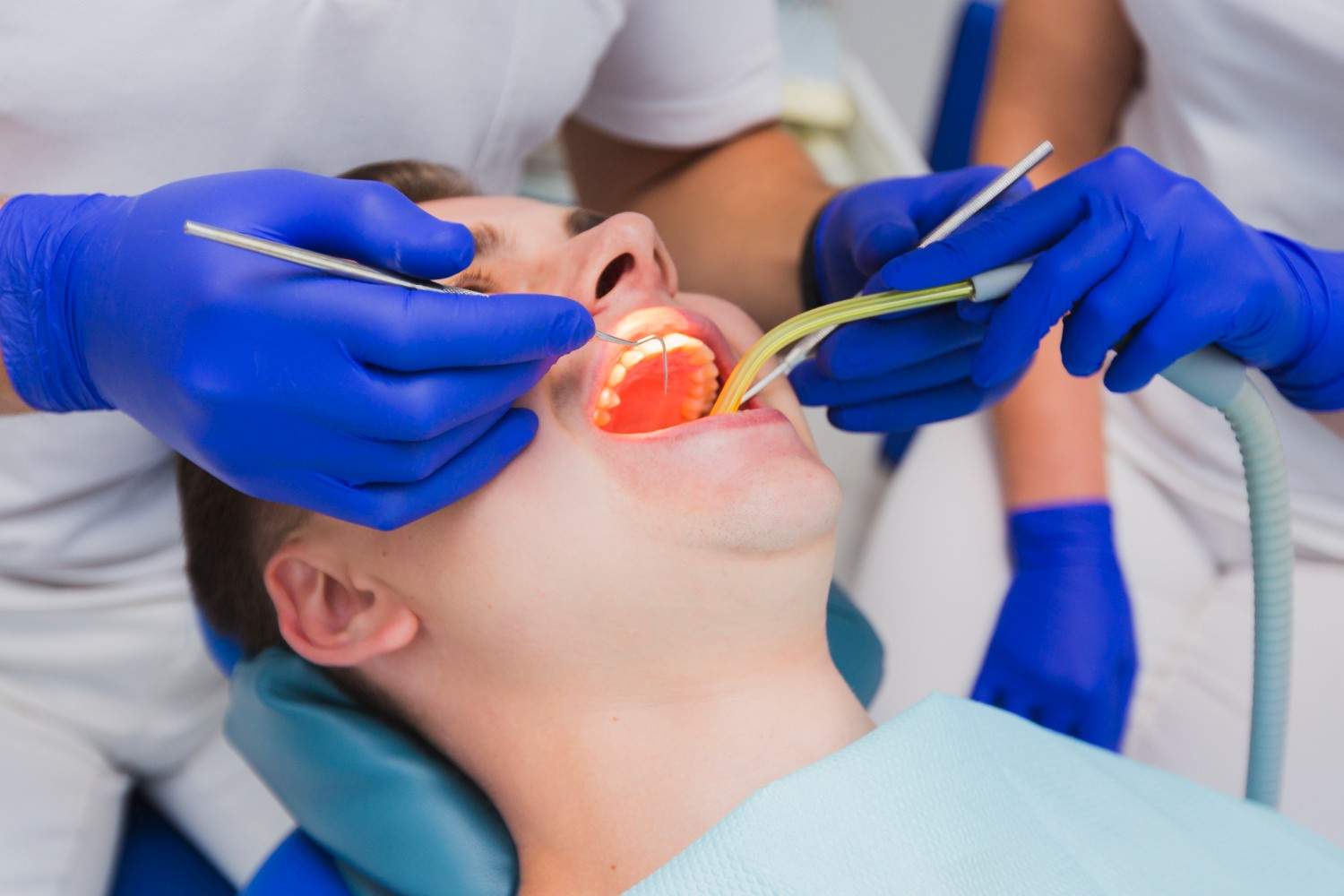
Root canal treatment focuses on removing infected tissue from inside the tooth while preserving the healthy outer structure. After the area is numbed thoroughly, the inside of the tooth is carefully cleaned and disinfected to remove bacteria and damaged tissue from the root canals.
Once the infection has been cleared, the canals are sealed to help prevent bacteria from returning. In many cases, a dental crown may later be recommended to strengthen and protect the treated tooth.
Because every tooth has a different internal shape, some root canal procedures are more complex than others. Narrow or curved canals can require additional precision and advanced techniques during treatment.
Advanced Care for More Complex Cases
General dentists are trained to perform many routine root canal procedures, but more complicated situations are sometimes referred to endodontic specialists. Endodontists complete additional years of advanced training focused specifically on diagnosing tooth pain and treating the inside of the tooth.
Their specialized experience and technology can be especially beneficial for teeth with difficult root structures, retreatment cases, or infections that are harder to manage.
Modern endodontic care places a strong focus on patient comfort throughout treatment. Careful anesthesia techniques and advanced equipment help make the experience smoother and more predictable than many people anticipate.